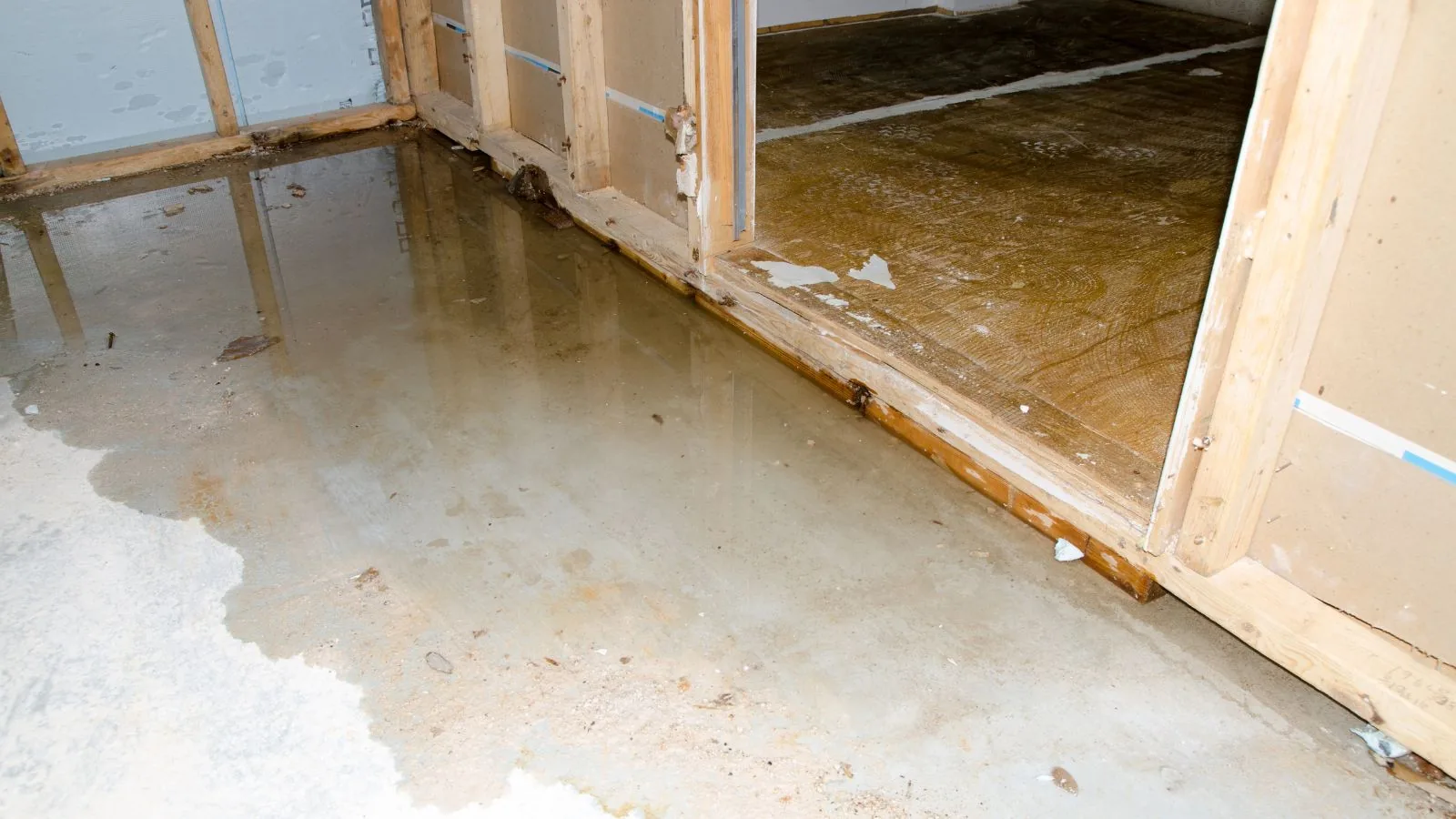
Most people ask this question after the water is already on the floor. The short version is that homeowners policies tend to cover sudden and accidental water, such as a burst pipe, and tend to exclude flood and slow seepage. Your own policy language decides, so this guide explains the pattern and does not promise any outcome.
Sudden water versus slow water
The Connecticut Insurance Department explains that burst pipes are generally handled under a homeowners policy. A pipe that splits overnight, a supply line that fails or a water heater that ruptures are sudden events. A slow drip behind a wall that went unnoticed for months is often treated as maintenance, and many policies exclude it.
| Source of water | Usually handled by | Common catch |
|---|---|---|
| Burst or frozen pipe | Homeowners policy | Heat must usually be kept on |
| Appliance or water heater failure | Homeowners policy | Gradual leaks may be excluded |
| River or storm flooding | Separate flood policy | Homeowners policies do not cover flood |
| Sewer or drain backup | Endorsement on the homeowners policy | Often not included unless added |
| Sump pump failure | Endorsement in many policies | Check for a water backup rider |
Words like sudden, accidental and gradual have specific meanings in a policy. Two homes with the same damage can get different answers because the cause was written differently in the claim. That is why documenting the cause matters as much as documenting the damage.
Flood is a separate policy
The Insurance Department states plainly that homeowners policies do not cover flood. Flood insurance is a separate product, available through the National Flood Insurance Program or private insurers, and it usually carries a waiting period of about 30 days before it takes effect. Buying it after a storm is forecast is too late.
If a lender requires flood insurance, the property is usually in a mapped flood zone. The Town of Avon notes that most affected properties have only a small part of the lot inside the mapped zone, so check where the building itself sits. A page on flood damage cleanup explains what happens after river or storm water enters.
What to do in the first hours
- Stop the source of water if it is safe to do so
- Photograph and video everything before moving it
- Call your insurer promptly to report the loss
- Ask what the policy requires for emergency mitigation
- Hold off on permanent repairs until your insurer has had a chance to review
Emergency steps that protect the house, such as pumping water and drying, are generally expected. Permanent repairs such as new flooring are different, and the Insurance Department advises waiting until the insurer reviews the damage. Keep receipts for anything you pay for.
How a restoration company fits in
A restoration company removes water, dries the structure and records what it finds. It does not decide coverage. The moisture log, photos and scope of work help your insurer see the loss. The process is described in the guide to structural drying and dehumidification.
Be careful with anyone who promises that insurance will pay. Only your insurer can say that. A reputable company explains the scope and the price before the work starts, and it tells you what documents you can share. Questions to ask any company are listed in the post on hiring, linked from the blog index.
Deductibles and small losses
Many policies carry a deductible in the hundreds or thousands of dollars. A small loss may cost less than the deductible, and a claim can affect future premiums. That is a personal financial decision, and an insurance agent can explain the trade offs without any commitment. Making a claim is your right, and so is asking questions first.
If you have both a loss and a doubt, get documentation first. Photos, a written description of when you found the water and what you did, and the moisture readings from the crew will all help whichever way you decide. Ask your insurer for the claim deadline, because policies set time limits on reporting.
Rental, condo and landlord situations
Renters and condo owners follow different rules. A renters policy covers belongings, not the building. A condo owner's policy often covers what is inside the walls, while the association policy covers the structure. Tell the landlord or association manager at once and ask which policy applies before work begins.
When the water came from a neighbor's unit, the neighbor's liability coverage may come into play. Take photos of the source and note names and contact details. Do not assume anything about who pays. Let the insurers sort that out, while you focus on drying the space.
When water damage is already underway
If water is active in your Avon home, the line at (833) 521-1033 is open at all hours. For a burst pipe, see burst pipe water damage. Crews also serve Avon Village Center, Unionville and Canton.
What Avon homeowners should know about flood maps
FEMA began remapping the Farmington River watershed in 2018, and preliminary flood map letters went out on November 15, 2023. The appeal period ran from February 28 to May 28, 2024, according to the Town of Avon. Final maps change which homes need flood insurance, so look up your address on the FEMA Flood Map Service Center.
Lenders can require flood insurance when a building falls inside a mapped zone, even when only a corner of the lot is touched. Ask your lender and your insurer which map version applies to your loan.
Questions homeowners ask
Does insurance in Avon cover a flooded basement?
Flood needs a separate flood policy. Water from a plumbing failure is often covered by a homeowners policy. Your policy language decides.
How long do I have to report water damage?
Policies set their own time limits. Report as soon as you can and ask your insurer for the deadline.
Will my claim be denied if the leak was slow?
Slow leaks are often excluded as maintenance. Documentation of the cause helps the insurer decide.
Should I clean up before the adjuster comes?
Emergency drying is expected. Take photos first and hold permanent repairs until the insurer reviews.
Is there a state office I can ask?
The Connecticut Insurance Department takes consumer questions at 860-297-3800.