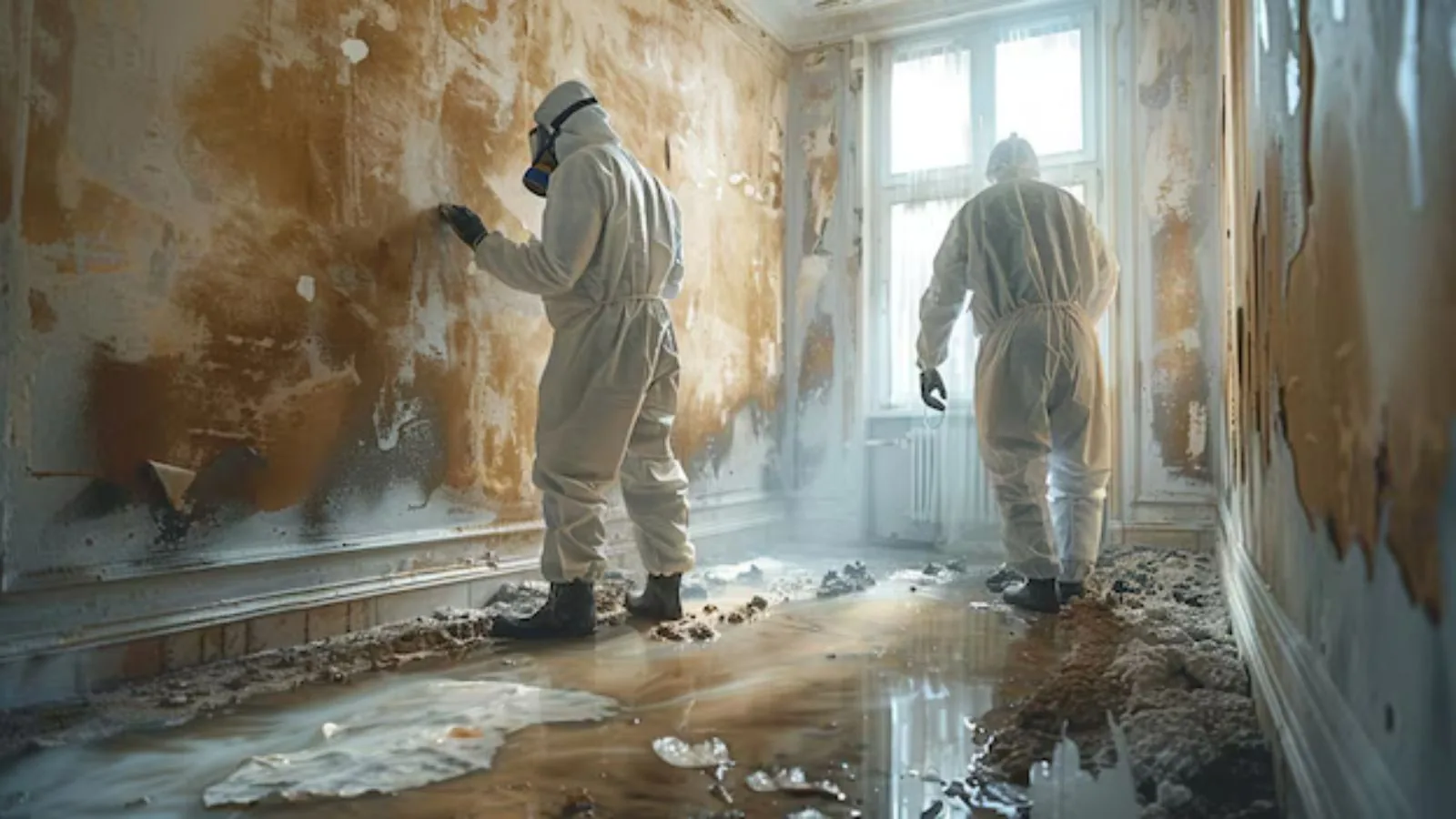
Clearance testing is a check, done after mold cleanup, to show that the work area is back to a normal condition. Sellers ask about it when an inspection finds growth. Buyers and lenders ask about it when a report mentions moisture. This guide explains the process without making any health claims.
What clearance means
After a remediation crew cleans and dries an area, a tester takes samples and looks at the space. The result describes that area at that moment. A pass means the readings were within the tester's criteria. It is not a promise about the future, and it does not say anything about anyone's health.
Clearance only makes sense after the moisture source has been fixed. A cleared basement that leaks again next spring will not stay cleared. Buyers who understand that often ask for plumbing or drainage records as well as the report.
Who should do the testing
An independent tester, one who is not paid by the remediation company, gives a neutral result. When the company that did the cleaning also does the test, buyers and lenders may question it. Ask the tester how samples are taken, what the lab reports and what the document will say.
| Step | Who usually does it | Why |
|---|---|---|
| Find and fix the water source | Plumber, drainage contractor or restoration crew | Mold needs moisture to grow |
| Contain, remove and clean | Remediation crew | Follows ANSI/IICRC S520 |
| Dry and verify with meters | Remediation crew | Dry materials do not support growth |
| Clearance sampling | Independent tester | A neutral party reads the result |
Timing a sale around the work
- Ask the home inspector which areas raised concern and ask for photos
- Get a written scope from the remediation company before work starts
- Allow time for drying, since a wet area cannot pass
- Ask your agent what the buyer or lender needs in writing
- Keep every report, invoice and photo in one folder
Mold work can take from a few days to a couple of weeks, depending on size and drying. Do not schedule the closing around the earliest possible date. Build in time for a second round if the first test shows a problem.
Disclosure and your agent
What a seller must disclose is a legal question, and an attorney or agent answers it. This guide does not give legal advice. What is practical is to be honest, keep records and let the documents speak. A cleaned and cleared area with a stated cause usually reads better than a patch of new paint.
What buyers can ask for
Buyers sometimes request the clearance report, the remediation scope and proof that the cause was fixed. They may also ask for moisture readings in the affected wall. A seller who has those documents ready finds the conversation easier. A crew that keeps a moisture log makes it simple to hand over the numbers.
Remember that insurance questions can come up too. See the post on mold coverage for how policies treat it, and read mold remediation for what the process involves. A leak behind a wall, covered under wall and drywall water damage repair, is a common origin.
If you are the buyer
If an inspection report flags moisture, ask what caused it, what was done and whether the area was dried and checked. A stain with no explanation deserves more questions. Ask for the paperwork before you close, and do not rely on a verbal assurance.
What sellers can do before listing
If you know there was a past leak, gather the paperwork before you list. Invoices, moisture logs, photos and any clearance report show that the problem was handled. Buyers see a documented repair differently from a mystery stain. If there are open questions, an inspection before listing can tell you what a buyer will find.
Costs and timing, in general terms
Testing prices vary by the number of samples and the size of the home, so get the quote and the scope in writing. Lab results usually take a few days, and a rush option may exist at a higher price. Ask the tester how many samples are planned and where they will be taken, so you know what the report covers.
Local help
If an Avon home needs mold cleanup before a sale, call (833) 521-1033. Crews serve West Avon, Avon Village Center and Unionville.
Why sale documents matter in an Avon market
The 2024 American Community Survey five year estimate puts the median value of an owner occupied home in Avon at $479,700, across about 8,000 housing units. At that price level, buyers tend to ask careful questions about moisture and want documents, not promises.
Avon is a town where about three in four homes are detached single family houses, according to the town's 2022 housing plan, so most sales involve a basement and a foundation that a buyer will inspect.
Questions homeowners ask
Does every sale need clearance testing?
No. It is requested when an inspection finds growth or when a lender or buyer asks.
Can I test my own home?
Home kits give limited information. A tester explains methods and limits in a report.
How long does clearance take?
The sampling is quick. Lab results take a few days. Cleanup and drying must come first.
What if the area does not pass?
The crew re-cleans and dries and the tester returns to sample again.
Is clearance a health statement?
No. It describes what was found in that area at that time.