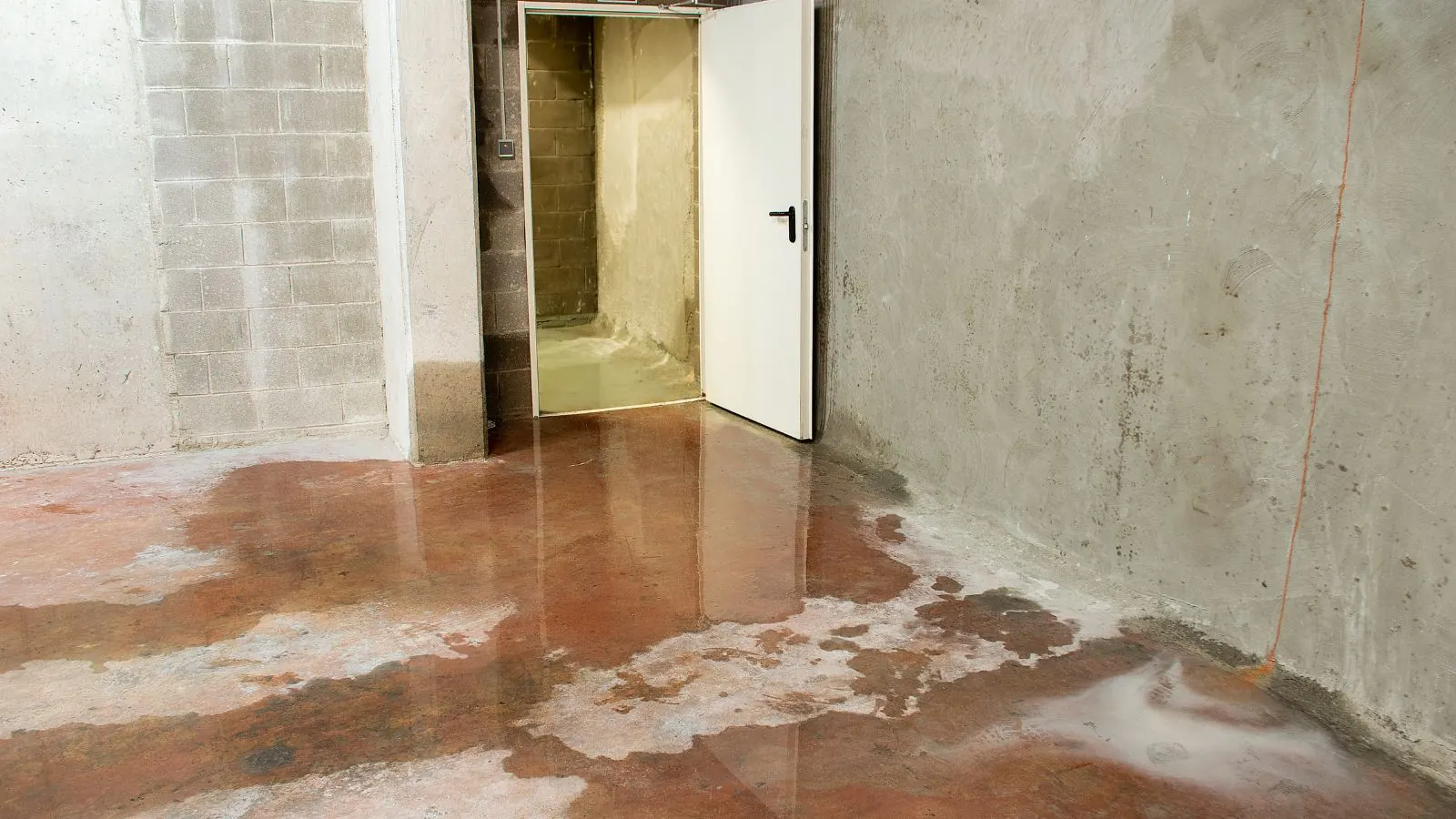
The worst water losses often happen while people are away, because no one is there to shut the water off. A supply line, a washing machine hose or a frozen pipe can run unnoticed for days. A short checklist before you leave reduces the odds a great deal.
Before a trip of a few days
- Shut off the washing machine supply valves
- Check under sinks and around the water heater for drips
- Make sure the sump pump is plugged in and its float moves freely
- Clear gutters and point downspouts away from the foundation
- Ask a neighbor or friend to look in once or twice
Turn the main water valve off if you will be gone more than a few days, and know where it is. Open a faucet at the low point of the house to drain the system, then close it. If you have a sprinkler or irrigation system, follow its shutdown steps.
Winter absence
Cold weather adds the risk of frozen pipes. Keep the thermostat at a safe minimum, commonly around 55 degrees Fahrenheit, and make sure the furnace is serviced. Open cabinet doors on exterior walls, and drain outdoor spigots. A power outage can shut the heat off, so consider a monitor that alerts your phone.
| Risk | Prevention | Backup |
|---|---|---|
| Frozen pipe | Heat at a safe minimum, open cabinets | Temperature sensor with alerts |
| Appliance hose failure | Shut off supply valves | Braided steel hoses, leak sensors |
| Sump pump failure | Test pump, add battery backup | Water alarm in the pit |
| Ice dam leak | Clear snow from the roof edge, improve insulation | Check the attic after storms |
If a pipe does burst, the page on burst pipe water damage explains what happens next, and frozen pipe water damage covers the thaw stage.
Leak sensors and smart shutoffs
Small water sensors cost little and can be placed under sinks, behind the toilet and near the water heater. Some send alerts to your phone. A smart shutoff valve on the main line can close automatically when it detects flow that does not stop. These are aids, not promises, and they need batteries and a working internet connection.
Who has a key and a number
Give a trusted person a key, the shutoff locations and the number of a restoration company. A neighbor who finds water on the floor can then act instead of calling you from an airport. The 24/7 line at (833) 521-1033 can walk a person through the first steps.
What to do when you come home to water
- Shut off the main water valve
- Stay out if water is near electrical outlets or the panel
- Photograph everything before moving anything
- Call your insurer and a restoration company
- Keep wet items out of the living space
The cleanup starts with extraction, covered on the water extraction page. Do not wait for the next day, since materials absorb water and mold can follow.
Insurance and vacancy
Some policies limit coverage when a home sits vacant for a long time. A seasonal home or a long winter absence may need a different arrangement. Ask your insurer what counts as vacancy and whether the heat must stay on. Your agent can answer in writing.
A checklist you can print
- Main water valve location marked and known to a neighbor
- Thermostat set above the minimum and heating system serviced
- Washing machine and dishwasher supply valves closed
- Sump pump tested, with battery backup if installed
- Outdoor spigots drained and hoses disconnected in winter
- Gutters cleared and downspouts directed away from the house
- Key left with a trusted person along with the 24/7 number
Tape the list inside a cabinet door or keep it with your travel papers. A written list helps when you are rushing to leave, and it helps a neighbor who has to act while you are away.
Short absences and daily habits
Even a weekend away benefits from a quick look at the water heater, under sinks and at the basement floor. Many leaks begin as small drips that grow over days. A two minute check on the way out the door is a habit that pays off.
Appliance hoses and what to replace
Replace rubber washing machine hoses every few years, or switch to braided steel with a shutoff. Replace old toilet supply lines and inspect the ice maker line behind the refrigerator. These small parts cost little compared with a flooded floor, and they are among the most common causes of losses in empty houses.
ANSI/IICRC S500 guides how water is categorized and how dryness is confirmed.
Local help
If you come home to water in Avon, call (833) 521-1033. Crews serve Huckleberry Hill, Burlington and Canton.
How cold Avon winters really get
NOAA normals for Bradley Airport show that the average winter low from December through February is about 20.7 degrees Fahrenheit, and the annual mean minimum is 40.4. Hill and rural lots can run colder than the airport, and nights well below 20 happen every winter.
Frozen supply lines are the most common winter surprise. A house left at a low thermostat setting for a week can still freeze in a cold snap if there is a power failure or an uninsulated wall.
Questions homeowners ask
Should I turn off the water when I travel?
For more than a few days, yes. Know where the main valve is and close it.
What temperature should I leave the heat?
Many people use about 55 degrees as a minimum. Check with your insurer for any requirement.
Do leak sensors work?
They help when placed in the right spots and kept powered. They are not promises.
Who should check on the house?
A trusted neighbor or friend with a key and the shutoff locations.
Is a vacant home covered?
Policies vary. Ask your insurer in writing.