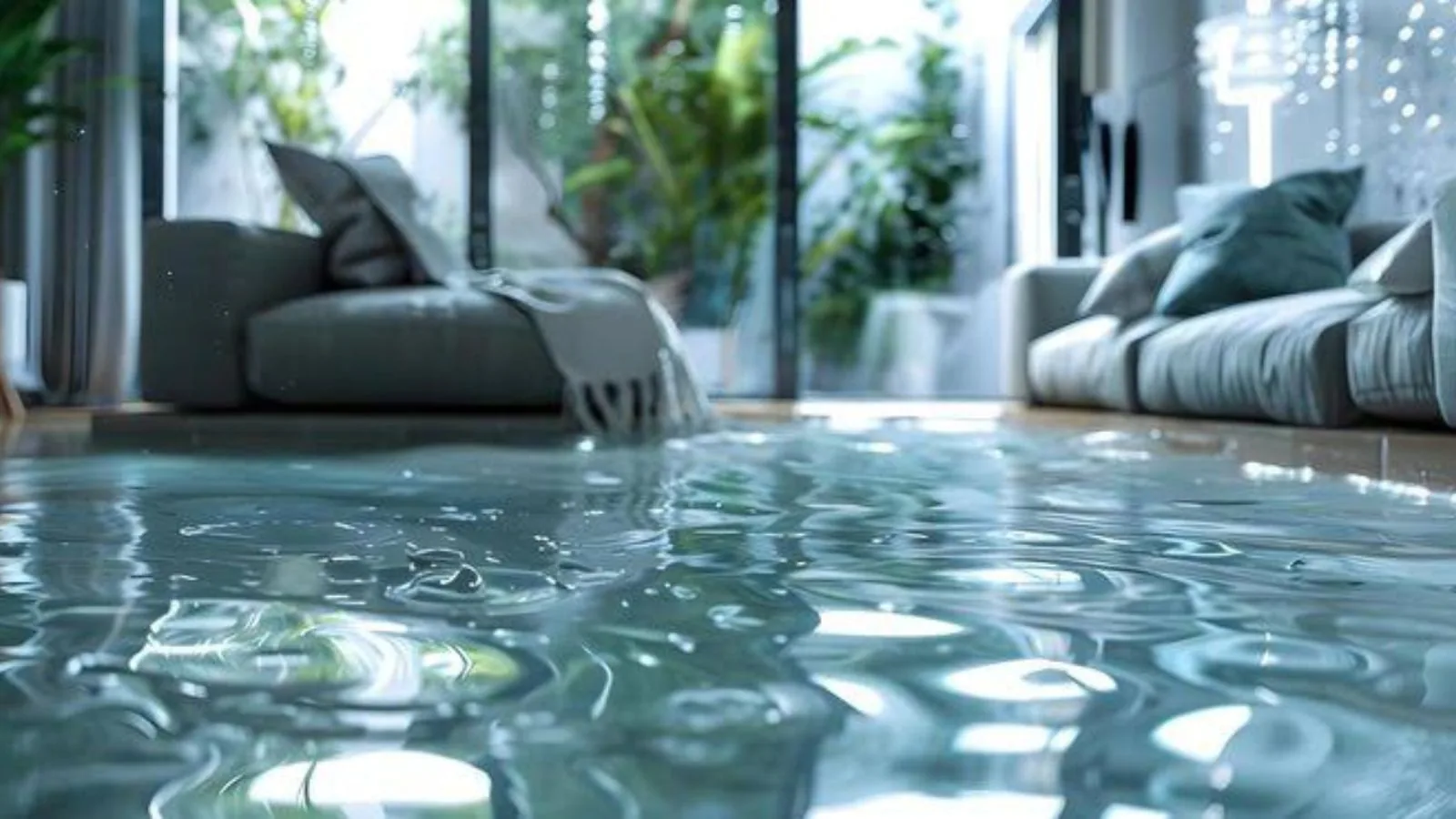
Water damage remediation is a sequence, and skipping a step is how problems return. This guide walks through the stages in the order they happen, using the language of ANSI/IICRC S500, the industry standard for professional water damage restoration. You will know what to expect and what to ask.
Stage one: the call and the safety check
The first call collects simple facts. Where is the water, how long has it been there, and is anything electrical near it? A good dispatcher asks about the source, because stopping the water is step zero. If a panel or outlets are wet, you will be told to stay out and call the utility or 911.
Once the crew arrives, they walk the house before touching anything. They look for hazards, find where the water traveled and decide the category of water. Clean water from a supply line is treated differently from gray water or sewage, and that classification shapes everything after.
| Category | Typical source | Handling |
|---|---|---|
| Category 1 | Clean supply line or tank | Dry in place when materials allow |
| Category 2 | Washing machine or dishwasher discharge | Clean, sanitize, remove some porous materials |
| Category 3 | Sewage or river water | Remove porous materials, disinfect, follow safety rules |
Stage two: extraction
Standing water comes out first, because every gallon removed is a gallon that does not need to be evaporated. Crews use submersible pumps for deep water and extractors for carpet and floors. The detail on this step is in water extraction. Speed matters, since materials start absorbing as soon as they are wet.
Stage three: assessment and mapping
Moisture meters and thermal cameras reveal water that cannot be seen. Readings are taken in floors, walls and ceilings, and the wet area is mapped. This map is the baseline. It lets the crew decide what can be dried in place and what has to come out, and it gives you a record for your insurer.
Stage four: removal of what cannot be saved
- Carpet pad and some carpet, depending on the water category
- Wet insulation in walls and ceilings
- Drywall that has soaked above the wet line or crumbles
- Baseboards and trim that trap water behind them
- Particleboard cabinet parts that have swollen
Removal is the stage that surprises homeowners, but removing a wet, unsalvageable material speeds drying and prevents mold. Salvageable materials stay, and the crew explains the choice for each.
Stage five: drying
Air movers push dry air across surfaces. Dehumidifiers pull moisture out of the air so that drying continues. The crew sets equipment to match the size and condition of the area and returns each day to read the meters and adjust. Drying usually takes several days. See structural drying and dehumidification for more.
A job is not dry because the surface feels dry. It is dry when readings in the framing and subfloor return to the normal range for unaffected materials of the same kind. The log of daily readings is the proof.
Stage six: cleaning, odor control and rebuild
After drying, surfaces are cleaned, and antimicrobial treatment is used where it is appropriate. Odors that linger often mean moisture remains, so they are traced rather than masked. Reconstruction, such as new drywall, paint and flooring, comes last. Some companies do the rebuild and some hand it to a contractor you choose.
Stage seven: documentation
Throughout, the crew keeps photos, readings and a scope of work. At the end you should receive a record of what was found and done. Share it with your insurer. The post on insurance coverage in this series explains how to approach a claim, and your policy language decides what is covered.
Ask your crew lead to explain each stage as it happens. A company that welcomes questions usually has a process worth trusting.
Questions about scope and sequence
Ask what happens first, what happens next and who is responsible for each step. A good plan names the order, such as extract, assess, remove, dry, clean and rebuild. Ask what readings will be taken and when you will see them. Ask what happens if the readings do not improve as expected.
What to do before a crew arrives
- Stop the source and stay clear of electrical hazards
- Photograph everything before it is moved
- Move valuables to a dry room
- Write down when you found the water
How long does all of it take?
A small clean water leak might be extracted and dried in a few days. A large loss with contamination may take longer and includes rebuild. No honest company can promise a number before seeing the house, because readings decide. Call (833) 521-1033 at any hour if water is active, or read about the crews who serve West Avon, Burlington and North Canton.
Why house age matters in Avon
Roughly 58 percent of Avon homes were built between 1970 and 1999, according to figures repackaged from American Community Survey data. Supply lines, water heaters and appliance hoses of that age are reaching the end of their expected life, which is a common starting point for the sudden leaks that restoration crews handle.
Another 21 percent date from the 1940s to the 1960s, and about 5 percent are older than 1940. Older houses may have materials that need extra care during demolition, so ask your crew how they handle them.
Questions homeowners ask
What is ANSI/IICRC S500?
It is the industry standard for professional water damage restoration. A company should be able to explain how it applies it.
Why does the crew come back every day?
To read the moisture meters and adjust the equipment until readings return to normal.
Can I run the equipment myself?
Rented fans rarely dry framing and subfloors. Professional equipment is matched to the readings.
How do I know the job is done?
When readings in structural materials match the dry standard, not when surfaces feel dry.
Do I need to leave the house?
Not always. The crew tells you after seeing the water category and the rooms involved.