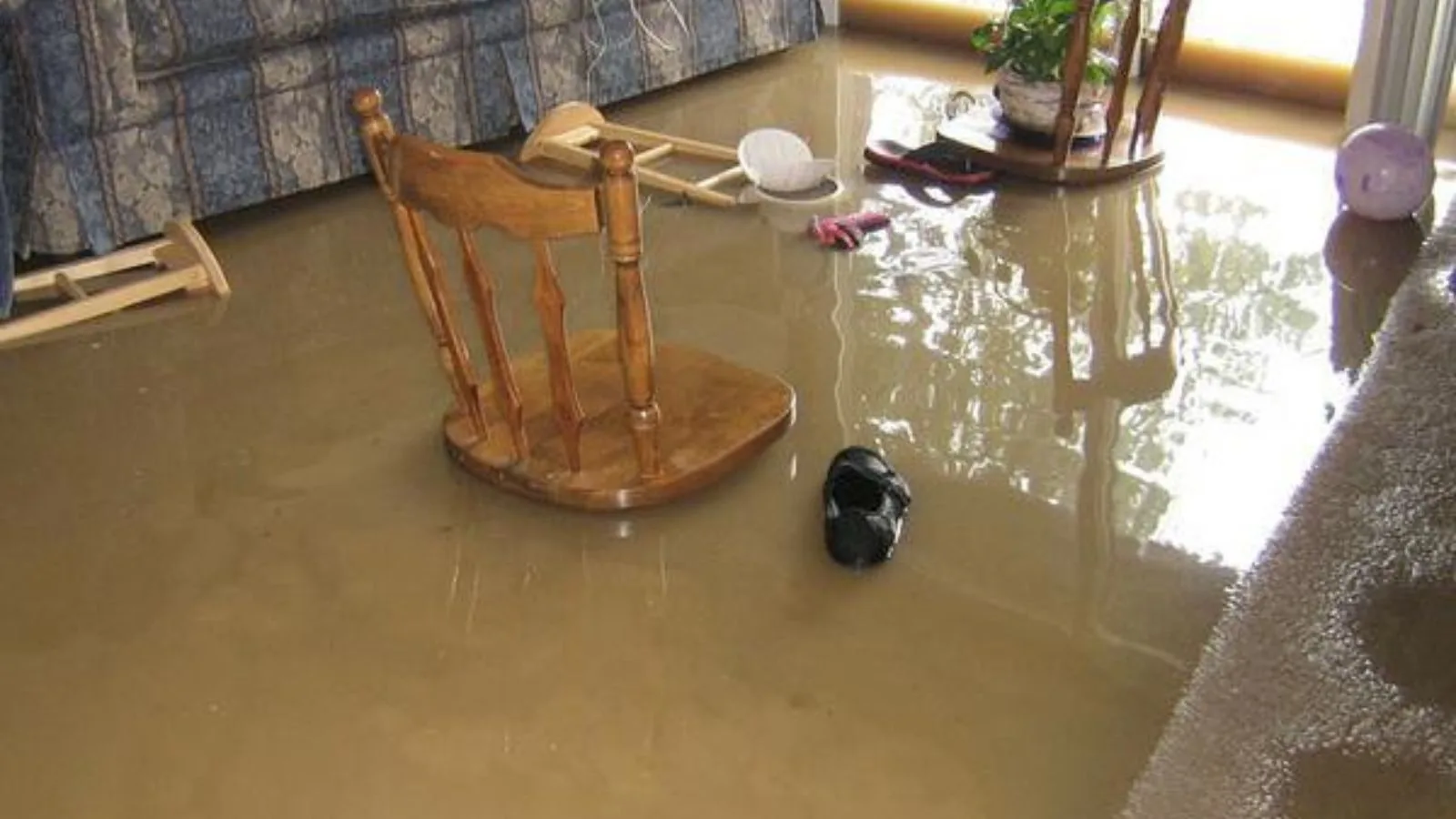
After water damage, a house fills with decisions. Is the sofa worth saving, is the food safe and what about the rug? A simple rule helps. The kind of water decides, and then the material. Photograph everything before you discard it, because your insurer may want to see it.
Step one: what kind of water was it?
| Water type | Examples | General approach |
|---|---|---|
| Clean water | Supply line break, water heater leak | Many items can be dried and saved |
| Gray water | Washing machine or dishwasher overflow | Clean and sanitize hard items, discard soft ones |
| Contaminated water | Sewage, river or flood water | Discard porous items, clean hard ones with care |
If the water was contaminated, treat nearly everything porous as lost. Hard items, such as glass, metal and sealed plastic, can often be cleaned and disinfected. A crew can classify the water if you are unsure. See flood damage cleanup.
Items that are usually savable with clean water
- Solid wood furniture, dried slowly
- Glass, ceramic, metal and hard plastic items
- Many books and papers if dried quickly, with the help of professionals for important ones
- Clothes and linens that can be washed
- Sealed or canned goods that can be cleaned
Items that are usually discarded
- Carpet pad and carpet after contaminated water
- Mattresses and upholstered furniture soaked by gray or contaminated water
- Particleboard furniture that swells
- Food that touched floodwater, including cans with damaged seals
- Cosmetics and medicine exposed to contaminated water
When in doubt about food, throw it out. Safety guidance is consistent on that point. Do not taste to check. Items in a refrigerator that lost power are a separate question, and local public health guidance covers it.
Building materials
Some materials dry well and some do not. Carpet pad is nearly always replaced. Insulation that gets wet usually comes out. Drywall that has soaked above the wet line or crumbles comes out. Solid wood trim may dry. Moisture readings decide, and a crew explains each choice. The wall and drywall water damage repair page explains the process.
Precious or irreplaceable items
Photos, documents and keepsakes need quick action. Freezing wet paper can buy time before professional drying. The separate post on saving photos and documents explains the first steps. Do not try to peel apart wet photos. Call a specialist for fragile items.
Make a list before you throw things out
- Photograph each item and the pile as a whole
- Write down brand, age and approximate value
- Keep a sample of damaged carpet or flooring if the insurer wants it
- Save receipts for cleanup and replacement
- Ask your insurer before discarding large items
The Connecticut Insurance Department recommends documenting with photos and contacting your insurer promptly. Items thrown out before the insurer sees them can complicate a claim.
Clothes, linens and soft goods
Washable fabrics that were wet with clean water can go straight into the wash, ideally within a day or two. Items that sat wet for longer may hold a musty smell and need a second wash or professional cleaning. For fabrics that touched sewage or flood water, many professionals advise discarding anything that cannot be laundered at high heat.
Toys, books and decorations
Hard plastic toys can be washed and disinfected. Stuffed toys that were in contaminated water are usually discarded. Cardboard boxes and paper decorations absorb water and are rarely worth saving. Take a photo of anything sentimental before you decide, and consider a specialist for items that matter.
Appliances and electronics
Do not plug in any appliance that was wet. A technician should check it first, and the separate guide on electronics explains the details. A refrigerator that lost power may hold food that is no longer safe, so check local public health guidance before you keep anything perishable.
A simple sorting method
Set up three zones before you start: keep, wash or clean, and discard. Put a bin or a tarp in each. Move quickly through the obvious items first, and set aside anything you are unsure about in a fourth pile that you review with your insurer or a crew. Sorting takes the pressure off decisions and keeps you from throwing away what could have been saved.
Wear gloves, boots and a mask when handling items from contaminated water, and wash your hands often. Work with another person if you can, since carrying wet furniture is hard on the back.
Water categories come from ANSI/IICRC S500, the standard for water damage restoration.
Local help
If you are unsure what can be saved in your Avon home, call (833) 521-1033. Crews serve Unionville, Avon Village Center and North Canton.
Lessons from the 1955 flood in the Farmington Valley
In August 1955, after hurricanes Connie and Diane, the Farmington River flooded Unionville and Collinsville. The Unionville Museum records 13 deaths and more than 100 houses destroyed in Unionville, and the Canton Historical Museum records river water about 24 feet above the boiler room at the Collins Company.
River water is contaminated by what it carries. That is why modern guidance treats flood damaged porous belongings as lost, even when they look fine. It is not a matter of being fussy.
Questions homeowners ask
Can I keep upholstered furniture after clean water damage?
Sometimes, if it is dried quickly and professionally cleaned. Contaminated water means disposal.
Is food in a flooded kitchen safe?
Discard food that touched flood water. When in doubt, throw it out.
Should I photograph items before throwing them away?
Yes. Your insurer may ask for it.
What about wet electronics?
Do not plug them in. See the separate guide on electronics.
Can wet books be saved?
Sometimes. Quick freezing and professional help improve the odds for valuable ones.